A warm patch on the floor. A water bill that doubled with nothing changed. The sound of running water when every tap in the house is off. Those are slab leaks, and the expensive mistake is opening the floor to go looking for one.
SoCal Plumbing & Rooter locates slab leaks electronically and acoustically first — pinpointing the line, the depth and the position before a single cut is made. That’s the difference between an eighteen-inch access hole and a trenched living room. You get the location, the options and a written price before we touch anything.
This is worth knowing before you call anyone, because half of Whittier can’t have a slab leak at all.
The older housing around Uptown Whittier, Hadley-Greenleaf and the Craftsman and Spanish Revival streets near Whittier College was largely built before 1940, and most of it sits on a raised foundation with a crawlspace. The supply lines run under the floor, not inside concrete. Those homes get leaks — but they’re accessible leaks, usually found and repaired the same day, and they’re not slab leaks.
The slab-on-grade construction arrived with the post-war tracts. East Whittier, Friendly Hills, the College Hills edges and much of South Whittier and West Whittier–Los Nietos were built from the 1940s through the 1960s with the copper supply lines cast directly into the slab. Seventy years on, that copper is at the end of its service life.
Two things finish it off. The first is the water — it runs hard across this part of Los Angeles County, and decades of mineral-laden flow scours copper from the inside, thinning the wall until it perforates. The second is that the hot-water side almost always fails first. Hot copper expands, rubs against the concrete encasing it, and wears through from the outside. That’s why the classic first symptom is a warm spot on the floor rather than a wet one.
So when a homeowner in a 1955 East Whittier tract tells us about an unexplained bill and a warm patch in the hallway, we already have a strong idea of what we’re looking for. When the same call comes from a 1920s bungalow near the college, we’re looking somewhere else entirely.
We're here when you need us. Call now or request service online.
A slab leak rarely announces itself with a flood. It leaks into soil under concrete, where the water has somewhere to go, and the first evidence is usually indirect — a bill, a sound, a warm floorboard. By the time you can see water, it has been running for a while.
If two or more of these are true, it’s worth locating before it undermines the slab:
A warm or hot spot on the floor
The single most reliable indicator. Walk the house barefoot. A patch that’s noticeably warmer than the floor around it usually sits directly over a leaking hot-water line.
Your water bill jumped with no change in use
A pinhole leak running continuously can add thousands of gallons a month. Compare against the same month last year rather than last month — the change is often gradual enough to miss.
You can hear water running with everything off
Shut every fixture, then listen near the floor in a quiet room. A faint hiss or trickle under the concrete is a supply line losing pressure.
Low water pressure that came on gradually
Pressure lost underground never reaches the fixture. If it has declined over months rather than overnight, the loss is upstream of the house.
Cracks appearing in floors or walls
Water washing out the soil supporting the slab causes the concrete to settle unevenly. Hairline cracks in tile grout or drywall above a door frame are early signs.
Damp, discoloured or lifting flooring
Carpet that stays damp in one area, tile that sounds hollow, wood that cups or laminate that swells at the seams — all point to moisture coming up through the slab.
A musty smell with no visible source
Moisture under flooring feeds mould and mildew in the pad and subfloor long before anything is visible. A smell that’s worse in one room narrows the location.
The water meter moves when nothing is on
Shut off every fixture and appliance, then watch the meter’s low-flow indicator. Any movement means water is leaving the system somewhere.
Unexplained wet patches outside the foundation
Water under a slab follows the path of least resistance and often surfaces at the edge. A damp strip along the foundation in a dry month is worth investigating.
Detection comes first and it is non-destructive. We isolate the system and pressure test to confirm the leak is on the supply side and whether it’s hot or cold. Then we locate it — acoustic listening equipment amplifies the sound of escaping water through concrete, thermal imaging maps the temperature signature of a hot-water leak, and a line tracer establishes the pipe’s route and depth. The output is a mark on your floor and a depth, not an estimate.
That same equipment handles general electronic leak detection for leaks that aren’t under the slab at all — behind walls, in ceilings, or on the service run out to the meter. Plenty of calls that come in as slab leaks turn out to be something more accessible, and we’d rather find that out before quoting a repair.
Once it’s located, there are three honest options.
We open the slab directly over the leak, cut out the failed section, replace it and restore the concrete. Access is typically a hole under two feet square. This is the right call when the line is otherwise in good condition and the leak is a one-off — a nail strike, a single stress point, an isolated defect. It’s the cheapest outcome and on a first leak in an otherwise healthy system it’s usually what we recommend.
Rather than repair the line in the slab, we abandon that run and route a new one overhead through the attic or through the walls. Nothing is cast in concrete afterward, so if that section ever fails again it’s reachable. This is often the better economics on a second leak in the same line, because the third one is coming.
When a home has had two or three slab leaks on different runs, the copper has reached the end of its life and the next leak is a matter of when. Repiping replaces the supply system entirely in copper or PEX, routed out of the slab. It’s the most disruptive option and the last one we’d suggest — but on a 1950s tract home on its third leak, repeated spot repairs cost more over five years than doing it once.
We’ll tell you which category you’re in after the detection, not before. Related: sewer line repair in Whittier if the problem turns out to be on the drain side rather than the supply side, and our full plumbing service in Whittier.
We're here when you need us. Call now or request service online.
Whether you're dealing with a plumbing emergency or a repair you've been putting off, we'll work with you to schedule service as quickly as possible. If your situation can't wait, our team is available for 24/7 emergency plumbing service.
Rather than guessing at the problem, our technicians carefully inspect the affected plumbing system to determine exactly what's causing the issue. Depending on the repair, this may include:
Finding the source of the problem first allows us to recommend the most effective repair.
Once we've identified the issue, we'll explain what we found in straightforward language and provide a free estimate before any work begins. If multiple repair options are available, we'll explain the advantages of each so you can make an informed decision without pressure.
This catches almost everyone out, so it’s worth being precise. A typical homeowners policy treats a slab leak in three separate parts:
Coverage varies significantly between carriers and policies, so read yours or call your agent before assuming either way. What we can do is document the work properly — location report, photographs, scope and itemised invoice — in the form adjusters ask for. Ask us for it and we’ll put it together.
Detection and repair are priced separately, because until the leak is located nobody can honestly quote the repair. Depth, location, flooring type and whether the fix is a spot repair, a reroute or a repipe all move the number substantially. You get a written, itemised estimate after detection and before any work starts, and the estimate is free.
Detection is usually one to three hours. A spot repair is typically the same day or the next. A single-line reroute is generally one to two days. A whole-house repipe runs three to five days depending on the size of the home and how much drywall access is needed.
That’s exactly what the detection stage is for. Pinpointing the leak to within inches means a small access cut instead of exploratory demolition. Where flooring is tile, wood or stone and a spot repair would mean destroying it, a reroute is often cheaper overall once restoration is counted — we’ll price both so you can compare.
Over time, yes. Water escaping under a slab erodes the soil supporting it, and uneven support leads to settlement and cracking. That’s the reason not to defer a known leak. It’s also why the cracking symptoms listed above are a late sign rather than an early one.
Yes — behind walls, in ceilings, under the yard, and on the service line between the meter and the house. Same crew, same equipment. A fair number of calls that start as suspected slab leaks turn out to be something easier to reach, which is good news and we’ll say so.
Not sure what you’re dealing with? Call (714) 482-3982 or book online and we’ll locate it properly.
We're here when you need us. Call now or request service online.
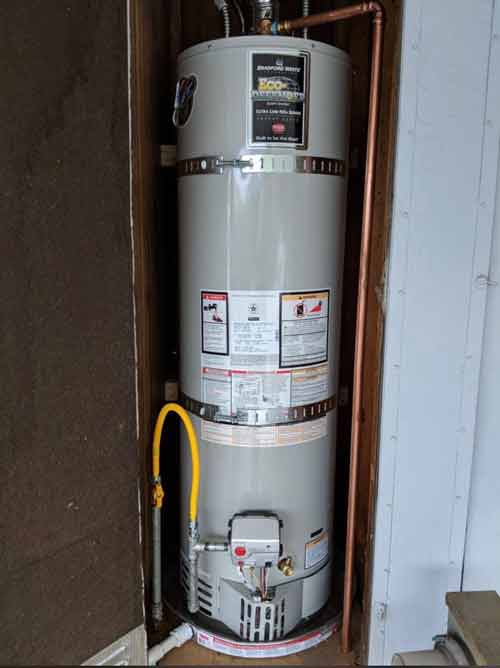
Installed a new high-efficiency water heater to provide reliable hot water and improved energy savings.
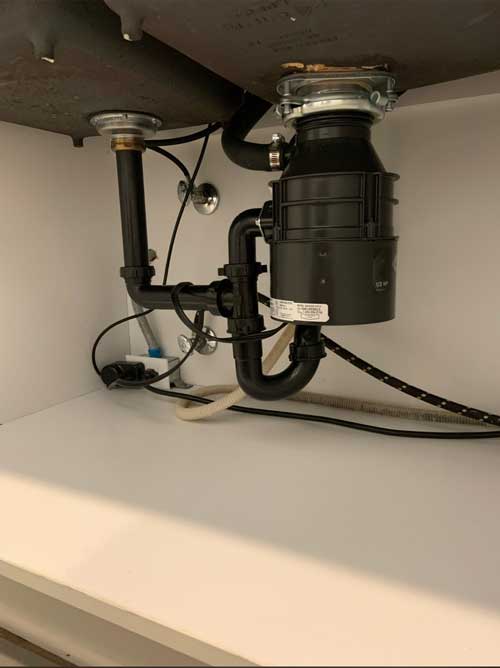
Replaced an outdated garbage disposal with a quiet, dependable unit for smoother everyday kitchen use.
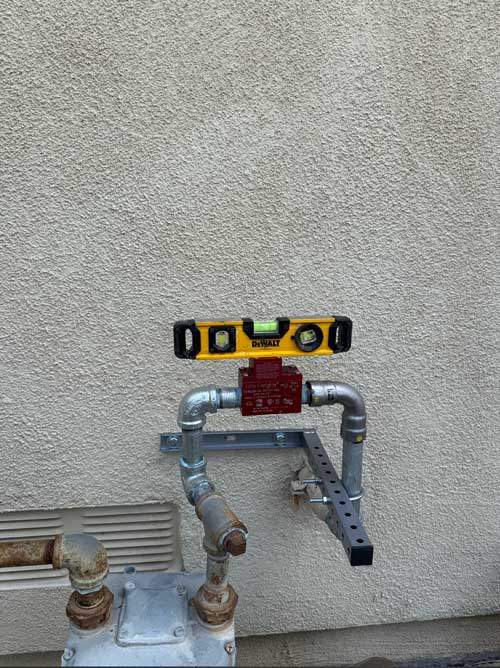
Installed an emergency gas shut-off valve to improve safety and meet current earthquake code requirements.
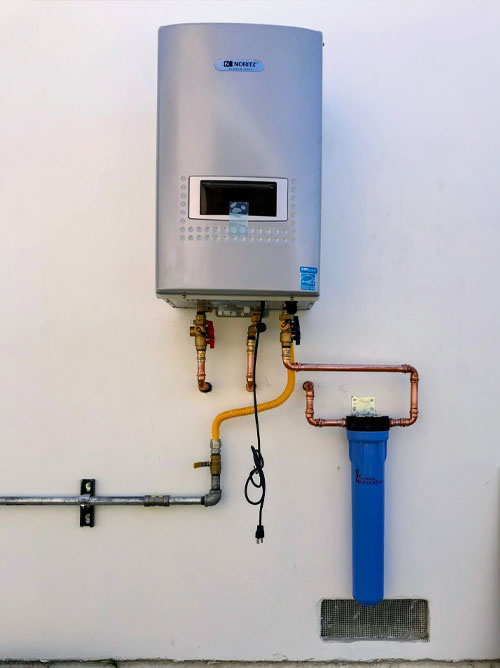
Installed a high-efficiency tankless water heater for endless hot water and lower monthly energy costs.

24/7 response for burst pipes, leaks, and overflows. No surcharge.

Fast, reliable fixes for leaks, pipes, fixtures and more. We get it done right.

Clearing clogs and slow drains with advanced equipment.

Expert repair and replacement for damaged or clogged sewer lines.

High-pressure cleaning that removes stubborn grease, roots and buildup.

From running toilets to new installations, we handle it all.

We locate and repair slab leaks with minimal damage to your home.

Using electronic detection, we find hidden leaks accurately.

Professional installation of standard and high-efficiency water heaters.

No hot water? We repair all makes and models quickly and efficiently.

Energy-efficient tankless solutions for endless hot water.

From gas leaks to damaged lines, we keep your property safe.
Licensed & Insured
CA C-36 Licensed #1024189
Local & Trusted
Proudly serving LA & OC for over 20 years
Excellent Reviews
Quality work, every time